Nail shape is not just a style choice. It changes how strong the nail is at its corners, how long it looks, how it types, and how often it snags. The names, almond, square, coffin, and the rest, describe where the sides are filed and how the free edge ends, and each shape makes a trade. Square gives a bold, flat edge and corners that can catch and chip. Almond gives up the corners, gains strength for length, and makes fingers look longer. Choosing well means matching the shape to your natural nail, your hands, and your actual week in Salisbury.
This how-to works in the order a technician at Nails #1 thinks about it: start with what you have, then pick the shape, then adjust the length.
The main shapes, plainly described
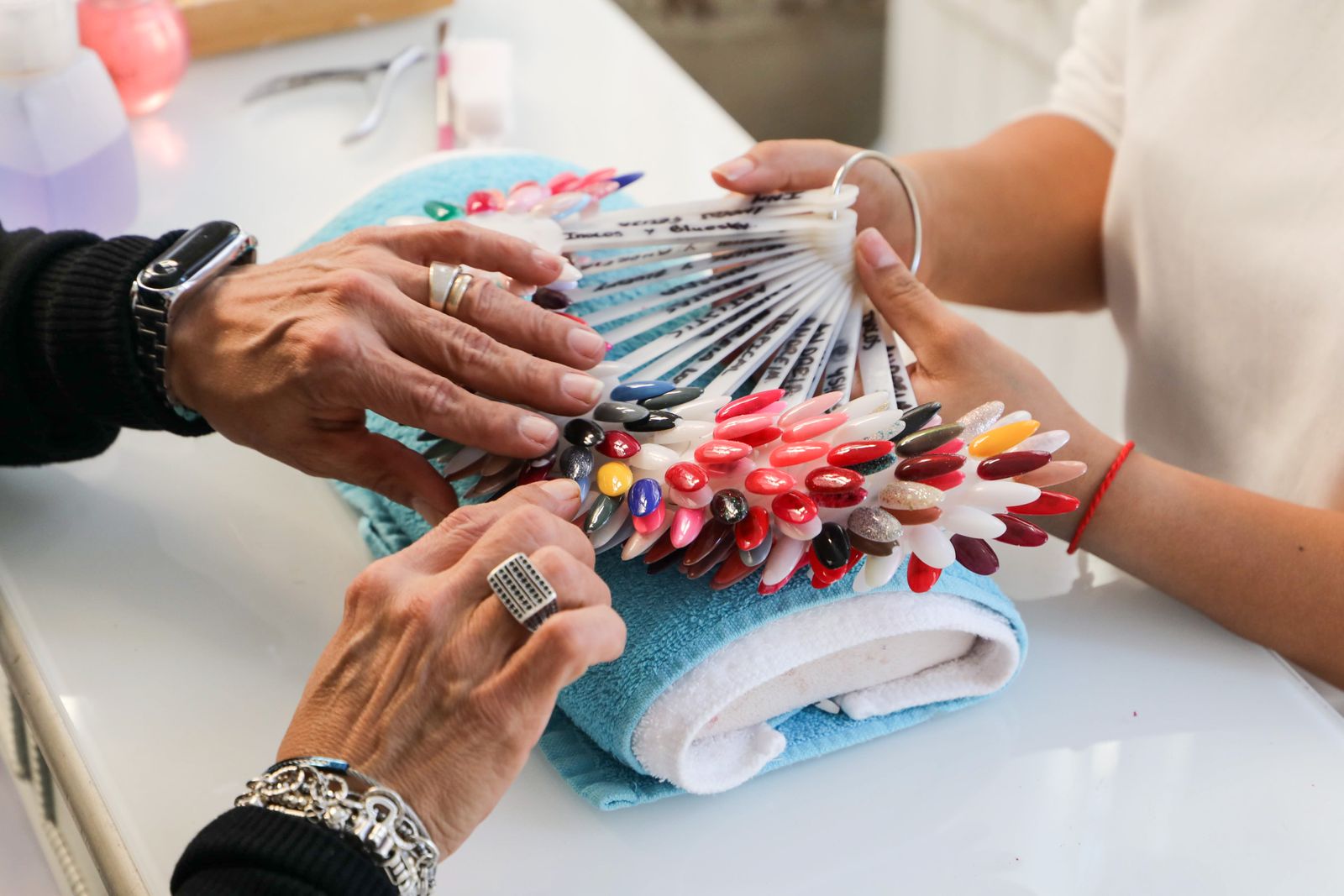
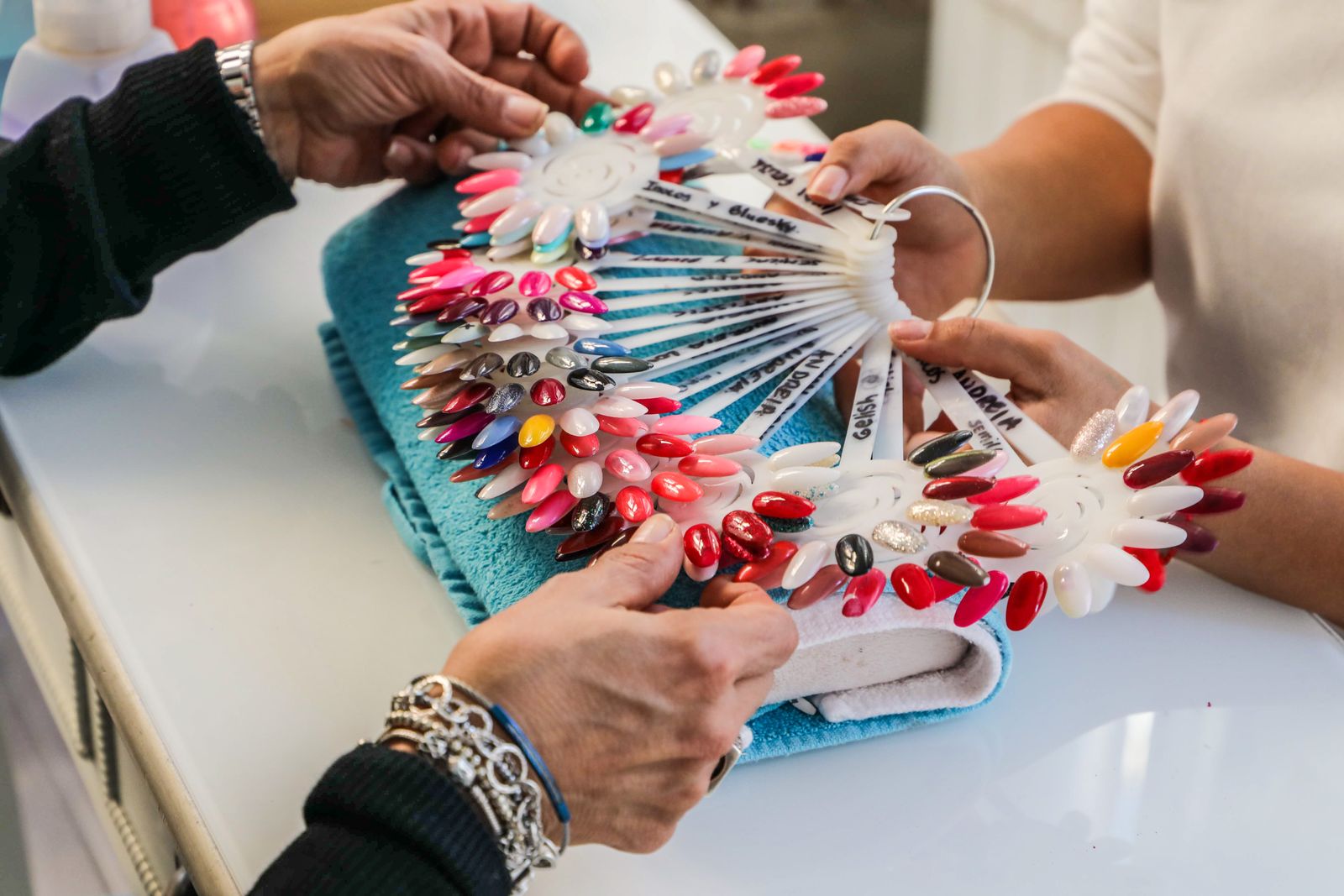
Square: straight sides and a flat tip at full width. Strong in the middle, vulnerable at the two corners, and best kept short to medium unless it is built on enhancements. Squoval: square with the corners softened, the practical compromise most people end up loving, because it keeps the tidy line and loses the snag. Round: sides follow the fingertip curve, the lowest-maintenance shape for short natural nails and hands that work hard. Oval: like round but longer, with sides that curve in gently, flattering and fairly strong. Almond: oval taken further, with a narrower, softly pointed tip; it needs some length to exist at all and protects its sides by having no corners. Coffin, also called ballerina: long, straight sides tapering to a flat tip, a shape that realistically requires enhancements for strength. Stiletto: long and pointed, the most delicate and the least compatible with keyboards, contacts, and small children.
How to choose, step by step
- Look at your natural nail bed first: wide beds suit squoval and almond; narrow beds carry square and coffin more easily; short beds look longer in oval and almond.
- Be honest about length: almond, coffin, and stiletto need length to form. If you want short nails, choose between round, squoval, and short square.
- List what your hands do: typing, instruments, sports, healthcare, and childcare all argue for rounded corners and moderate length.
- Pick the corner policy: corners give a crisp look and a chip point. If your nails split at corners now, file the corners away in the new shape.
- Try one nail first: have the technician shape a single nail to the new style and live with looking at it for a minute before committing all ten.
- Reassess at the fill: shapes can migrate as nails grow. Each appointment is a chance to shorten, soften corners, or switch without drama.
Strength, where shapes really differ
A nail breaks where stress concentrates, and corners concentrate it. That is why square natural nails split at the corner and why almond shapes, which move the stress along a curve, can often wear longer lengths safely. Width matters too: filing the sides in aggressively to force a narrow shape on a wide natural nail thins the very points that hold the nail together, a mistake called over-filing the stress area. A good Salisbury technician will tell you if the shape you brought in needs enhancements to be honest, rather than carving your natural nail into a weak copy of it.
Shapes and hands: a short guide
Short fingers look longer with oval and almond, because the tapered tip extends the line of the finger. Long, slim fingers can wear square and coffin without looking severe. Wide fingertips balance well with squoval and almond, which narrow the visual width. None of this is law. It is proportion, and the mirror test beats any chart: shape one hand, compare, and trust the hand you keep looking at. Also consider your rings and your job. A shape that fights your daily tasks will be shortened by breakage on its own terms, so choose the version you can keep.
Common questions
What is the strongest nail shape?
For natural nails, round, oval, and almond are generally strongest because they have no corners to catch and split. Square shapes concentrate stress at the corners and chip there first.
Can I get a coffin shape on my natural nails?
Only if they are long and strong, and even then it is fragile. Coffin usually needs the support of acrylic or another enhancement, which is why it is most often an enhancement shape.
Which shape makes short nails look longer?
Oval and almond, because the tapered sides extend the finger's line. Keeping the cuticle area tidy and choosing a sheer or nude shade adds to the same effect.
Photos in this guide are representative stock images.
← All guides from Nails #1← Back to Nails #1