The appointment ends, but the set's most fragile hours are just starting. The first 48 hours after a manicure decide a surprising amount of how the next two weeks go, because fresh product, freshly worked cuticles, and nails that have just been shaped all reward gentle handling and punish the usual habits, prying, soaking, and picking, more than they will later. Aftercare is not a long list of rules. It is a short checklist, plus a seasonal adjustment for life in Salisbury, where humid summers, pollen season, and dry indoor winter air each treat hands differently.
At Nails #1 in Salisbury, the same advice applies across manicures, pedicures, gel color, and enhancements, with small differences noted below.
The first 48 hours, and after
Aftercare checklist: first two days, then ongoing
- First evening: keep hands out of long hot soaks. A quick shower is fine; a long bath or a sink of dishwater is the enemy of a fresh seal.
- Gloves on: wear them for dishes, cleaning, and yard work from day one, not once the set starts looking tired.
- Cuticle oil daily: a drop per nail, massaged in, keeps the natural nail flexible so it moves with the product instead of separating from it.
- Hands are not tools: no can tabs, box tape, labels, or key rings pried with a nail tip in the first 48 hours, and ideally ever.
- Moisturize after washing: soap and water strip oils, so replace them while hands are still slightly damp for the best absorption.
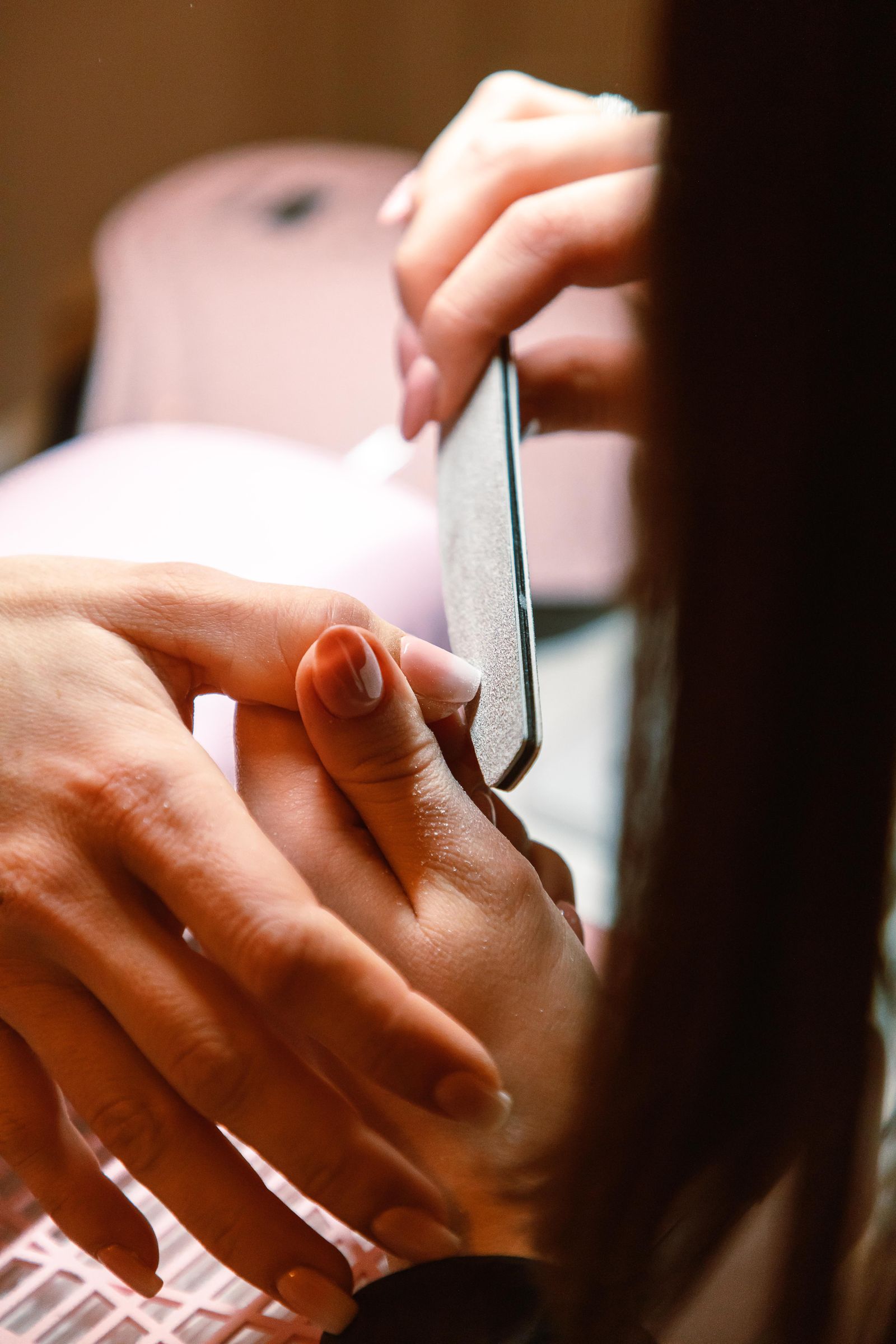
- File, do not clip: a snag gets smoothed with two gentle file strokes in one direction. Clipping a set can crack product and nail together.
- Watch, do not pick: a lifted corner is information for your technician. Peeling it off converts a small repair into a damaged nail.
- Ongoing: book the fill or removal before the set looks desperate, usually at two to three weeks, so aftercare never becomes rescue.
Seasonal adjustments for Piedmont hands
Summer in Salisbury means sunscreen, bug spray, pool water, and sweat, and some spray products can dull a fresh finish, so apply them before polish days or wash hands after. Humidity softens nails, which makes the gloves rule more important for garden and cleaning work, not less. Spring pollen season means more hand washing for many people, and more washing means moisturizer needs to live by the sink, not in a drawer. Fall brings back dry air and the first heaters, and winter finishes the job: indoor heat pulls moisture from cuticles until they crack and peel, inviting picking. In the cold months, a richer hand cream at night and oil twice a day is not indulgence. It is the difference between a set that lasts its full span and one that lifts at dry, stressed edges.
Gel, acrylic, and regular polish: small differences
Gel is cured and hard when you leave, so its first-48-hours risk is not smudging but lifting from water and impact while the bond is newest. Acrylic is similar, with extra reason to avoid prying because the product is rigid and a break can take natural nail with it. Regular polish is the opposite case: it keeps drying for hours after it feels set, so the first evening decides dents and smudges; be careful with keys, seat belts, and bed sheets pulled up with fresh nails. Pedicures follow the same logic, plus one addition: give toenails time before closed shoes squeeze them, especially with regular polish.
The habits that undo good work
Three habits account for most early failures. Using nails as tools is first, and it is usually unconscious: the thumbnail that opens every package, the index nail that scratches every label. Second is water without gloves, especially hot water with detergent, which flexes the nail and works at every edge. Third is picking at the cuticle line once growth appears, which lifts the seal and starts the separation people then blame on the product. Notice that none of the three is about the salon. A well-applied set and a week of tool-use will lose to a modest set treated properly, in Salisbury or anywhere.
Common questions
Can I shower right after a manicure?
Yes, a normal shower is fine for gel and acrylic, and for regular polish once it has had a little time to set. Save long soaks, baths, and dish sinks for after the first 48 hours.
How often should I use cuticle oil?
Once a day is a good baseline, and twice a day in winter or if your hands are washed constantly at work. It takes under a minute and does more for wear than most people expect.
What should I do if a nail lifts in the first few days?
Leave it alone, keep it dry, and contact the salon promptly. Early lifting can often be repaired cleanly, while peeling or gluing it at home usually makes the damage worse.
Photos in this guide are representative stock images.
← All guides from Nails #1← Back to Nails #1