Nails do not breathe. That sentence settles the most persistent myth in the salon, and it is worth understanding why, because the advice built on the myth, take a break so your nails can breathe, leads people to make the wrong decision at the wrong moment. Fingernails are made of keratin, the same protein as hair, laid down in a hard, non-living plate. The living part is the matrix under the skin at the base, and it gets its oxygen and nutrients from blood, not from air on the surface. No polish, gel, or acrylic set has ever suffocated a nail, because there was never any breathing to block.
So does that mean breaks are pointless? Not quite. A break can be useful, just for different reasons than the myth claims, and at Nails #1 in Salisbury the honest conversation is about what a break actually fixes and what it does not.
The numbers behind the nail
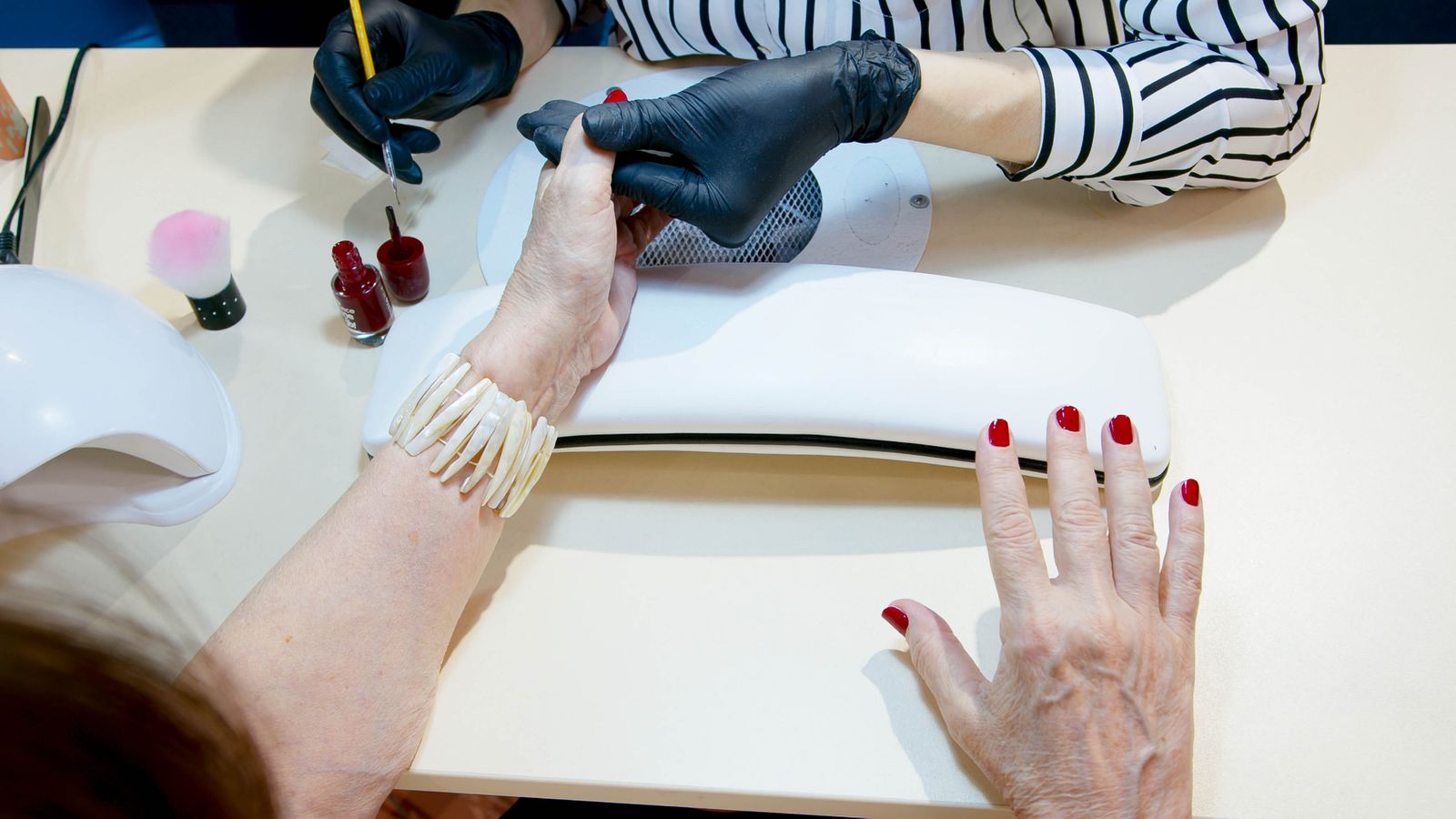
What a break actually fixes
A break gives damaged surface layers time to grow out while you stop adding removal cycles on top of them. If nails have been peeled, over-filed, or pried at, a few weeks of plain manicures, cuticle oil, and gentle handling let the worst of it move toward the tip. A break also resets habits: people who pick at lifting product often do better with a bare, short nail for a stretch. What a break does not fix is a nail that is thin by nature, a shape problem, or damage deep enough that only full regrowth will clear it, which, at roughly three millimeters a month, is a matter of patience measured in months.
The cost of neglecting the real cause
Here is where the myth does harm. If wear itself is blamed, people remove sets roughly at home to start their break, and removal is where most real damage happens. Peeling gel lifts keratin layers with it. Prying acrylic levers the plate. Aggressive filing thins the surface in minutes. Each rough removal makes the nail more flexible and more prone to peeling, so the next set holds worse, which gets blamed on needing another break. The cycle is the cost of neglect in this trade: not neglect of air, but neglect of soak-off removal, oil, and the fill schedule. Break the cycle at removal, and most nails never need a dramatic recovery at all.
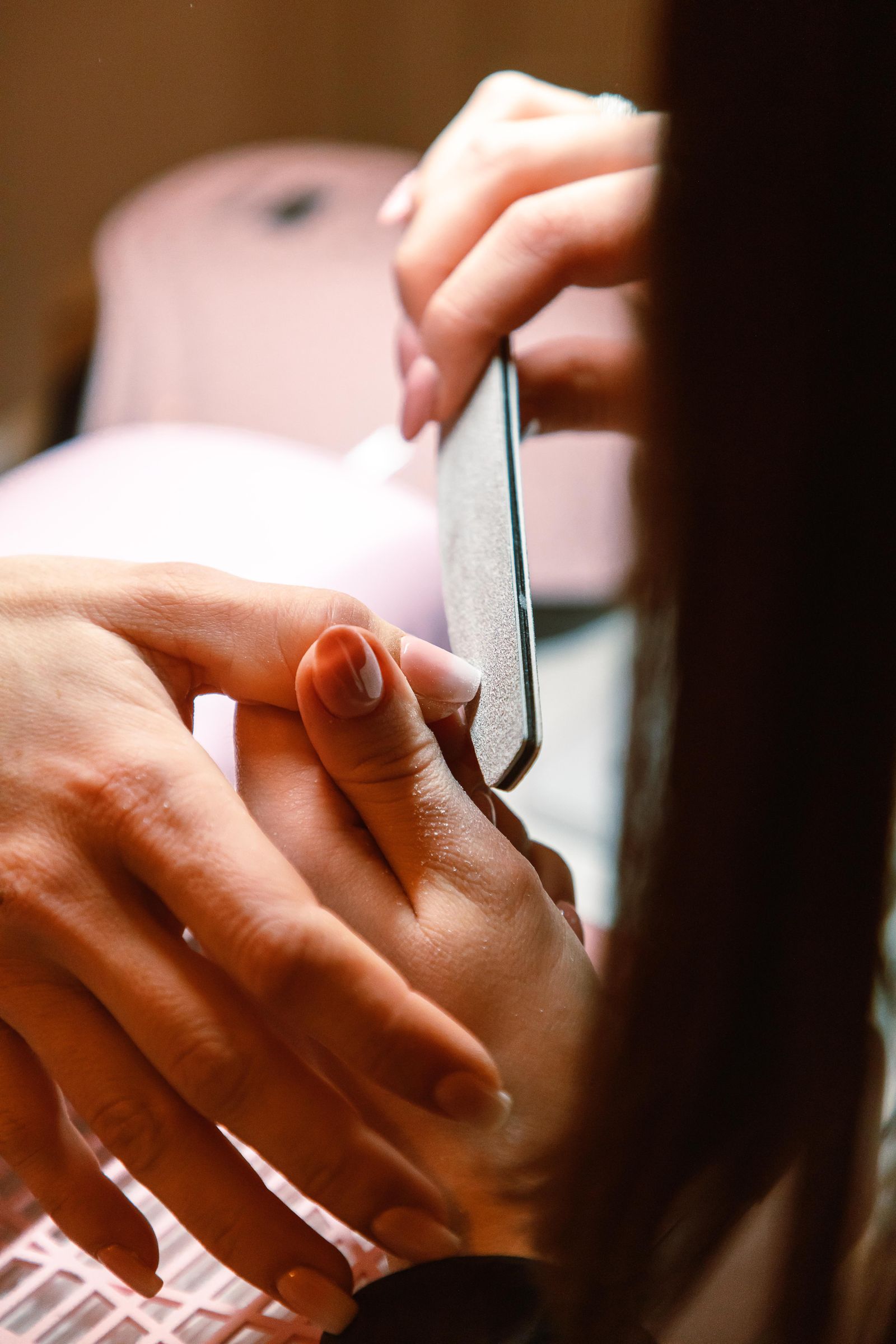
When a break is genuinely the right call
Take product off and keep it off if a nail is discolored and the cause is unclear, if a nail is lifting away from its bed, if the skin around it is inflamed, or if several nails are sore. Those are health questions, and coating them hides the evidence. A clinician or pharmacist can advise on what you are seeing. Also take a break if you simply want one: plain, short, oiled nails are a legitimate look in Salisbury, and no one needs a medical excuse. Just remove the last set properly, by soak-off at the salon or patiently at home, so the break starts with the healthiest nail possible instead of a freshly peeled one.
Keeping nails strong between sets
With or without a formal break, the habits that keep nails in good condition are the same all year in Salisbury. Oil the cuticles daily so the nail stays flexible rather than brittle. Wear gloves for wet work so the plate is not swelling and shrinking all day. Keep length moderate while any damage grows out, because a long, thinned tip is the one most likely to tear. File small snags immediately instead of letting them catch and peel. None of this requires bare nails forever. It requires treating removal and daily handling as the main events, which they are, instead of blaming a myth about air that the nail never needed in the first place.
Common questions
Do nails need oxygen from the air?
No. The nail plate is non-living keratin. The living matrix that grows the nail is supplied by blood under the skin, so polish and gel do not block anything the nail needs.
Why do my nails feel stronger after a break?
Usually because the break stopped rough removals and picking, and fresh, undamaged nail grew in. The improvement comes from regrowth and gentler handling, not from the nail breathing.
How long should a recovery break last?
For surface damage, a few weeks of gentle care helps, but full replacement of a fingernail takes about six months. Short, oiled, properly maintained nails can wear product again once damage has grown out.
Photos in this guide are representative stock images.
← All guides from Nails #1← Back to Nails #1